Visiting a skin cancer clinic in New South Wales is often a proactive step toward protecting your long-term health, especially in a region known for high UV exposure. Whether you’re attending for a routine skin check or following up on a specific concern, understanding the process can help you feel prepared and confident. Many people choose a trusted skin cancer clinic to ensure their concerns are assessed by professionals experienced in early detection and prevention. These clinics are designed to offer focused, specialised care rather than a general consultation, with attention given to early detection, clear communication, and ongoing monitoring.
A Personalised Consultation, Not a Generic Check
After the initial introduction, the appointment usually begins with a detailed discussion rather than an immediate examination. The doctor will ask about your personal and family medical history, previous sunburns, outdoor work or hobbies, and any skin changes you’ve noticed. This conversation helps tailor the assessment to your individual risk level instead of treating every patient the same way. In NSW, where cumulative sun exposure is common, this personalised approach is especially valuable.
Comprehensive Full-Body Skin Examination
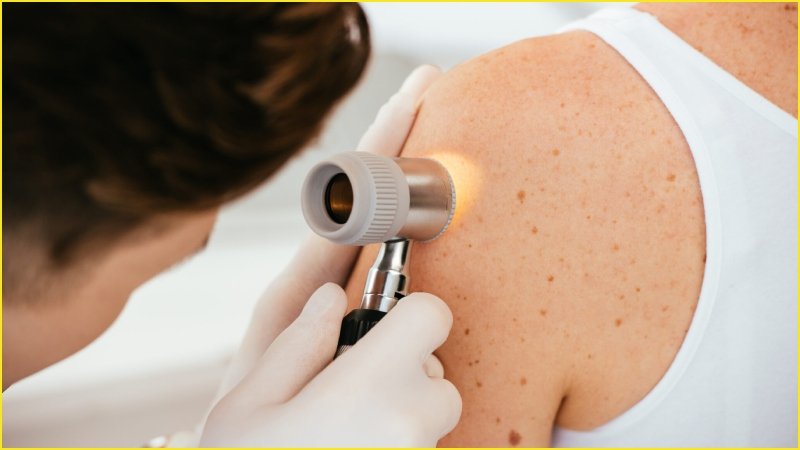
Once the background information is covered, the clinician will carry out a full-body skin check. This is a systematic process that examines areas you may not easily see yourself, such as the scalp, back, and behind the ears. Many clinics use dermatoscopes to examine spots more closely, allowing the doctor to identify patterns beneath the skin’s surface. The examination is typically quick, non-invasive, and conducted with respect for patient comfort and privacy.
Clear Explanation of Findings and Risks
One thing patients often appreciate is the clear explanation provided after the examination. Instead of vague comments, doctors usually explain what they’ve found, why certain spots are harmless, and which ones need monitoring or further investigation. If a lesion appears suspicious, the clinician will explain the level of concern in plain language, helping you understand the reasoning behind the next steps rather than leaving you guessing.
On-Site Diagnostic and Treatment Options Skin Cancer Clinic
A key advantage of attending a dedicated skin cancer clinic in NSW is access to immediate diagnostic and treatment services. If a biopsy or removal is required, it can often be performed during the same visit. Clinics are commonly equipped to handle minor surgical procedures, cryotherapy, and other treatments without referring you elsewhere. This streamlined care reduces waiting times and allows for faster diagnosis, which is critical for successful outcomes.
Education on Skin Awareness and Prevention Skin Cancer Clinic
Beyond treatment, clinics place strong emphasis on prevention and self-awareness. Patients are often shown how to check their own skin at home and what changes should prompt a follow-up visit. Advice on sun protection is practical and suited to everyday life, covering sunscreen use, protective clothing, and behaviour adjustments rather than generic warnings. This educational component empowers patients to play an active role in their own skin health.
Ongoing Monitoring and Follow-Up Care Skin Cancer Clinic
Skin cancer care doesn’t usually end with one appointment. Depending on your risk profile, the clinic may recommend regular follow-ups at specific intervals. Many clinics keep photographic records to compare changes over time, making it easier to detect early developments. This continuity of care is particularly important for patients with a history of skin cancer or significant sun exposure.
A Reassuring and Preventive Experience Skin Cancer Clinic
Overall, what sets a skin cancer clinic in NSW apart is its preventive mindset. The goal is not only to treat existing issues but to reduce future risk through early detection, patient education, and consistent monitoring. Knowing what to expect helps remove uncertainty and ensures your visit is both informative and reassuring, making regular skin checks a natural part of maintaining your overall health.