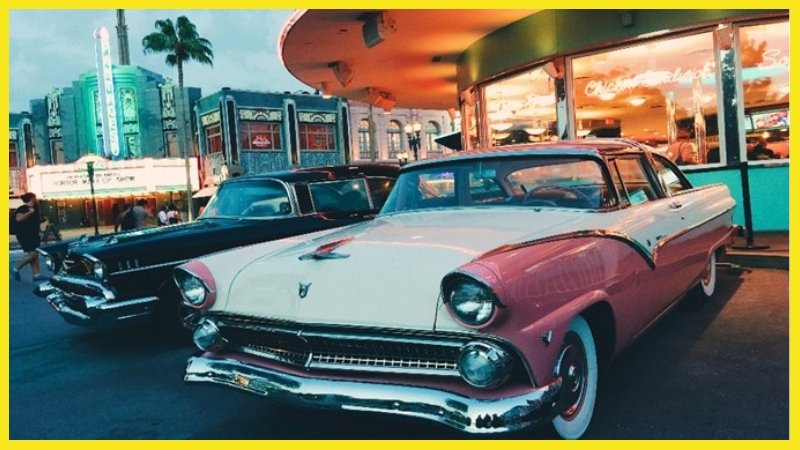
Classic Car hold a unique place in the hearts of enthusiasts. They embody timeless craftsmanship, engineering simplicity, and nostalgic charm. For many, owning one is more than transportation—it is a passion project and a connection to an era long past.
However, in today’s unpredictable economy, the true expense of maintaining such a prized possession often exceeds the purchase price itself. Beyond the polished chrome and elegant lines lies a reality of hidden costs that every owner or aspiring buyer should be prepared to face.
The Overlooked Weight of Insurance
Insurance for a classic car does not follow the same rules as modern vehicles. While specialty coverage options exist, premiums can quickly become complex due to vehicle rarity, condition, and valuation.
Unlike a standard sedan that depreciates predictably, the worth of a classic can fluctuate significantly. Owners must often secure policies that account for agreed value rather than market value to ensure adequate coverage. This process can require detailed appraisals, third-party evaluations, and frequent policy updates as values change.
At this stage, many discover that obtaining a fair car insurance quote for a vintage model is more complicated than anticipated. Insurers calculate risk differently for classics, weighing factors such as limited availability of replacement parts, accident repair complexity, and theft susceptibility.
What initially appears as a modest monthly premium can evolve into a hefty annual expense, especially when policies demand storage requirements like climate-controlled garages or restrictions on mileage.
Restoration and Maintenance: A Financial Labyrinth
One of the most alluring aspects of owning a classic is restoration. Whether purchased as a project or already roadworthy, every vintage car will eventually demand attention. Labor costs for skilled mechanics specializing in older engines, carburetors, and manual gearboxes are higher than average. The scarcity of expertise in such areas drives rates upward, leaving owners with few affordable options.
Parts availability compounds the problem. A broken trim piece, a cracked dashboard, or a failing alternator can send owners on long hunts through specialty suppliers, auctions, or private collectors. Shipping costs often match or exceed the part price itself. Reproduction components, while sometimes available, can sacrifice authenticity, forcing purists to spend more on original items. Even routine tasks—such as replacing belts, hoses, or brake lines—become magnified in cost due to limited production and higher sourcing effort.
Fuel Consumption and Efficiency Strains
Fuel economy is another subtle but impactful hidden cost. Many classic car were engineered in eras when efficiency was not a top priority. Engines often displace more cubic inches, carburetors deliver richer fuel mixtures, and weight-saving materials were rarely used. As a result, miles per gallon can be far below modern standards.
When paired with rising fuel prices, this inefficiency quickly becomes a recurring financial burden. Daily commuting in a classic is rarely practical, yet even occasional weekend drives add up. For owners committed to frequent use, the ongoing fuel expense rivals or exceeds insurance payments.
Storage Demands Beyond the Garage
Classic cars are highly sensitive to environmental conditions. Humidity, temperature swings, and exposure to elements can accelerate rust, warp interiors, and degrade paint. Owners must invest in secure, climate-controlled storage to protect their investment. Renting such a facility can be a significant monthly cost, while constructing or upgrading a home garage demands a large upfront cost.
Beyond climate control, storage also necessitates protective measures like breathable car covers, battery tenders, and even pest deterrents to keep rodents from damaging wiring or upholstery. Each of these small but necessary purchases accumulates over time, silently adding to the cost of ownership.
Taxes, Licensing, and Regulatory Complexities
Registering and licensing a classic may initially appear straightforward, but depending on its age, category, and modifications, fees can vary. Some vehicles qualify for historic plates, which reduce costs, but these often impose restrictions on mileage or usage. Owners who wish to bypass limitations must pay for standard registration, which can be surprisingly steep for vehicles of unique classification.
Emissions regulations introduce another obstacle. While exemptions exist in many jurisdictions, keeping a classic road-legal vehicle may require periodic testing or costly retrofits to meet minimum standards.
The Price of Authenticity and Upgrades
Enthusiasts frequently grapple with the dilemma of originality versus modernization. Keeping a car entirely authentic preserves historical value but locks owners into higher costs due to sourcing rare components. On the other hand, upgrading with modern systems—such as disc brakes, electronic ignitions, or air conditioning—enhances usability but comes at a premium.
Every modification, whether for safety or comfort, introduces a financial trade-off. Custom fabrication, expert installation, and integration with older systems rarely come cheap. Owners must weigh the expense against future resale value, as purist buyers often heavily devalue modified classics.
Depreciation, Appreciation, and Market Volatility
Many enthusiasts assume that classic cars appreciate steadily over time. While certain models have indeed skyrocketed in value, the broader reality is less predictable. Market trends fluctuate based on generational interests, rarity perceptions, and cultural relevance. A vehicle that commands high demand today may fall out of favor tomorrow.
The volatility of the market makes ownership a risky financial proposition. Insurance premiums tied to agreed value must be reassessed often, and resale opportunities may not yield the anticipated return.
Emotional Investment and Its Hidden Toll
While financial factors dominate, emotional costs also deserve attention. Owners often underestimate the stress of constant vigilance—worrying about theft, weather exposure, or mechanical failure on long drives. The emotional labor of sourcing parts, negotiating with mechanics, or waiting months for repairs weighs heavily, even if less tangible than monetary expenses.
Additionally, the pressure to showcase the vehicle at events, maintain it in pristine condition, and justify its expenses can create internal conflict. What begins as a passion project may slowly evolve into an obligation, transforming joy into burden.
Classic Car will always captivate hearts with their elegance and history, but their ownership is far from a simple indulgence. The hidden costs—insurance complexities, maintenance challenges, fuel inefficiency, storage demands, regulatory hurdles, modification dilemmas, market volatility, and even emotional tolls—collectively reveal the depth of financial and personal commitment required.