Creating a home that feels both stylish and deeply personal is no longer a luxury—it’s an expectation. Today’s homeowners want spaces that look beautiful, function effortlessly, and reflect their lifestyle. That’s exactly where Interior Design DrHomey comes into the conversation. This design approach has gained attention for blending comfort, modern aesthetics, and practical living in a way that feels natural rather than staged.
In this guide, we’ll explore what makes this design philosophy stand out, how it compares to other popular styles, and how you can apply its principles to your own home. Whether you’re redesigning a single room or planning a full home makeover, this article will help you make confident, informed choices.
Understanding the Modern Shift in Interior Design DrHomey
Interior design has changed dramatically over the past decade. Homes are no longer designed just to impress guests. They are built to support daily life, remote work, relaxation, and emotional well-being.
Several trends drive this shift:
-
People spend more time at home than ever before
-
Open layouts demand smarter furniture choices
-
Homeowners prefer timeless design over short-lived trends
-
Comfort is valued as much as visual appeal
As a result, design styles that balance warmth, simplicity, and usability are leading search trends in the U.S. market.
What Defines the Interior Design DrHomey Philosophy?
At its core, this design approach is about making spaces feel lived-in, welcoming, and thoughtfully arranged. It avoids extremes. You won’t find overly cold minimalism or cluttered decor here. Instead, the focus stays on harmony.
Key Characteristics
1. Comfort-First Layouts
Furniture placement supports movement and conversation. Rooms feel open without feeling empty.
2. Soft Modern Aesthetic
Clean lines are paired with warm textures, neutral colors, and subtle contrast.
3. Practical Beauty
Every design choice serves a purpose. Storage solutions are hidden yet accessible. The decor feels intentional, not excessive.
4. Personal Touches
Artwork, lighting, and accessories reflect personality rather than showroom styling.
Why This Style Appeals to American Homeowners
Many U.S. homeowners search for interior ideas that balance style with real-life usability. Large family rooms, open kitchens, and multi-purpose spaces are common in American homes. A design approach that adapts easily to these layouts naturally gains traction.
Here’s why people connect with it:
-
It works well for both apartments and large houses
-
It fits modern family life and work-from-home needs
-
It ages well and doesn’t rely on fast trends
-
It feels warm, not overly designed
This is especially appealing to homeowners who want long-term value from their design investments.
Core Elements That Make the Style Work
Color Palettes That Feel Calm
Neutral shades dominate, but they’re never boring. Think warm whites, soft greige, muted taupe, and gentle earth tones. These colors reflect light well and make rooms feel larger.
Accent colors are used sparingly—often through pillows, artwork, or a single statement chair.
Furniture That Balances Form and Function
Furniture pieces are chosen for comfort first. Sofas feel deep and inviting. Chairs support posture without looking bulky.
Materials commonly used include:
-
Solid wood
-
Linen and cotton fabrics
-
Matte metals
-
Natural stone
The goal is durability without sacrificing style.
Lighting That Sets the Mood
Lighting is layered rather than relying on a single overhead fixture.
-
Ambient lighting for overall brightness
-
Task lighting for reading or cooking
-
Accent lighting to highlight textures or art
Warm light temperatures are preferred to maintain a cozy atmosphere.
Room-by-Room Design Breakdown
Living Room
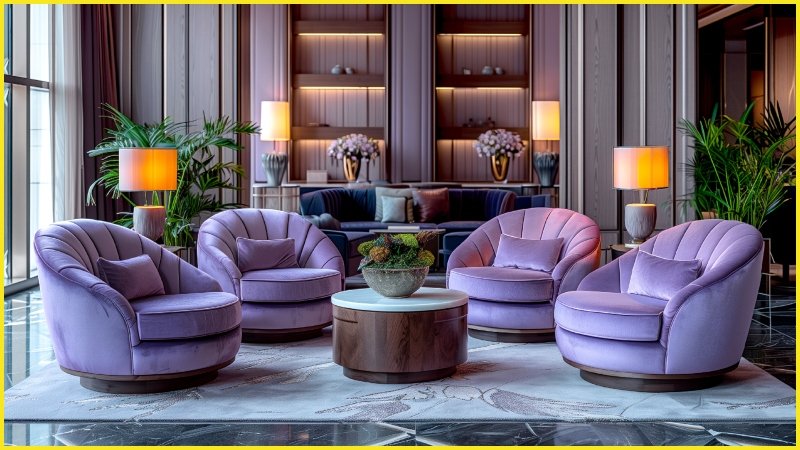
The living room often acts as the heart of the home. Layouts prioritize conversation and relaxation.
Common features include:
-
Sectional sofas with soft upholstery
-
Low-profile coffee tables
-
Area rugs that define seating zones
-
Minimal wall decor with personal meaning
Clutter is avoided, but the space never feels empty.
Kitchen and Dining Area Interior Design DrHomey
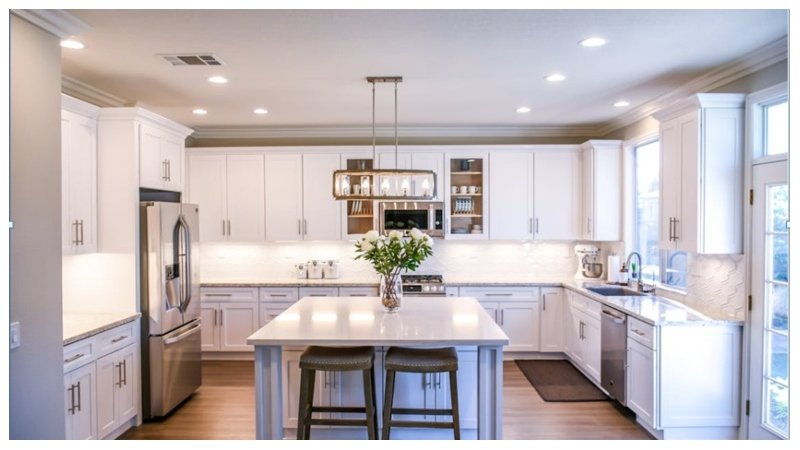
Open kitchens benefit greatly from this design approach. Cabinets often feature flat or shaker-style doors in neutral tones.
Design highlights:
-
Functional kitchen islands
-
Simple pendant lighting
-
Open shelving used selectively
-
Dining tables that double as workspaces
Everything feels connected and cohesive.
Bedroom
Bedrooms focus on rest and simplicity. Visual noise is kept to a minimum.
Typical elements:
-
Upholstered headboards
-
Soft, layered bedding
-
Minimal bedside tables
-
Warm, dimmable lighting
The result is a calm retreat rather than a decorative showpiece.
How It Compares to Other Popular Styles
| Design Style | Overall Feel | Comfort Level | Trend Longevity | Best For |
|---|---|---|---|---|
| Modern Minimalist | Sleek, clean | Medium | Medium | Small spaces |
| Scandinavian | Light, airy | High | High | Bright homes |
| Industrial | Bold, edgy | Low–Medium | Medium | Urban lofts |
| Traditional | Formal | Medium | High | Classic homes |
| Dr. Homey’s Approach | Warm, balanced | High | Very High | Everyday living |
This comparison shows why many homeowners prefer a balanced style that adapts over time.
Pros and Cons to Consider Interior Design DrHomey
Pros
-
Feels comfortable and livable
-
Works with most home layouts
-
Easy to update with small changes
-
Appeals to a wide audience
Cons
-
Requires thoughtful planning
-
Poor material choices can reduce impact
-
Over-decorating can break the balance
When executed properly, the benefits clearly outweigh the limitations.
Common Mistakes to Avoid Interior Design DrHomey
Even the best design approach can fall flat if applied incorrectly.
Avoid these mistakes:
-
Using too many accent colors
-
Choosing style over comfort
-
Ignoring lighting layers
-
Overcrowding rooms with decor
Sticking to simplicity and intention keeps the design effective.
How to Apply This Style on a Budget Interior Design DrHomey
You don’t need a full renovation to achieve this look.
Budget-friendly tips:
-
Repaint walls in warm neutral shades
-
Replace harsh lighting with warm bulbs
-
Add textured throw pillows or rugs
-
Declutter and rethink furniture placement
Small changes often deliver the biggest visual improvement.
Interior Design DrHomey Is This Design Right for You?
If you value comfort, simplicity, and timeless appeal, this approach fits naturally. It works especially well if you want a home that feels welcoming every day, not just when guests visit.
Interior Design DrHomey resonates with homeowners who want their space to feel like a real home—not a staged showroom.
Final Thoughts
Design trends come and go, but comfort and balance never lose relevance. This is why Interior Design DrHomey continues to attract attention in the U.S. market. It offers a thoughtful blend of warmth, functionality, and modern style that suits real life.
If you’re planning a redesign, focus on how your space should feel—not just how it should look. With the right choices, your home can become both beautiful and deeply comfortable. Visit NOTEDPEOPLE.COM For More Details