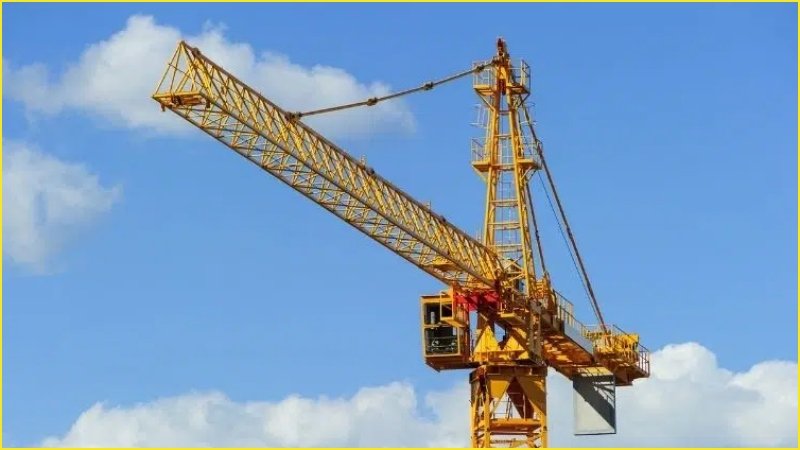
In the construction, logistics, and industrial sectors, lifting and transporting heavy materials safely and efficiently is a top priority. For Australian worksites, crane trucks have become indispensable, combining mobility and lifting power to tackle a wide range of tasks. Understanding their capabilities, types, and operational considerations is essential for businesses looking to optimise safety, productivity, and cost efficiency.
What Is a Crane Truck?
A crane truck is a versatile vehicle that combines a flatbed or chassis with a mounted crane. Unlike stationary cranes, these trucks can move between job sites, providing both transport and lifting capabilities. They are widely used on Australian worksites for lifting heavy equipment, moving large materials, and assisting with construction tasks that require precision and flexibility.
Crane trucks are designed to handle loads of varying weight and size, and they come equipped with stabilizing outriggers to maintain balance during lifting operations.
Common Applications on Worksites
Crane trucks are highly adaptable, making them suitable for a wide range of applications, including:
- Construction Projects: Lifting steel beams, roofing materials, and prefabricated components.
- Industrial Installations: Positioning machinery or heavy equipment in factories and warehouses.
- Infrastructure Work: Transporting and placing concrete pipes, signage, or fencing materials.
- Logistics and Transport: Loading and unloading shipping containers or large pallets efficiently.
By combining transport and lifting capabilities, crane trucks reduce the need for multiple vehicles and streamline worksite operations.
Types of Crane Trucks Understanding Crane
Australian worksites utilise several types of crane trucks depending on lifting requirements and site conditions:
- All-Terrain Crane Trucks: Ideal for uneven or off-road construction sites.
- Truck-Mounted Cranes: Attached to a standard truck chassis, suitable for urban sites with limited space.
- Hydraulic Crane Trucks: Offer precise control for lifting delicate or heavy loads.
- Telescopic Crane Trucks: Feature extendable booms to reach higher or distant loads efficiently.
Selecting the right type of crane truck depends on load capacity, reach requirements, and worksite accessibility.
Key Considerations for Worksites Understanding Crane
Before deploying a crane truck on an Australian worksite, operators and managers should consider several factors:
- Load Capacity: Ensure the crane truck can safely lift the heaviest expected loads.
- Site Access: Evaluate road width, terrain, and potential obstacles.
- Safety Features: Outriggers, load indicators, and stabilizers are critical to prevent accidents.
- Operator Training: Only certified personnel should operate crane trucks to comply with Australian Work Health and Safety (WHS) standards.
- Maintenance: Regular inspections and servicing ensure reliability and reduce downtime.
Understanding these factors helps worksites optimise efficiency while maintaining safety and compliance.
Advantages of Using Crane Trucks Understanding Crane
Crane trucks provide multiple benefits for Australian worksites:
- Mobility: Easily move between locations, reducing the need for multiple pieces of equipment.
- Efficiency: Combines transport and lifting, saving time and labour costs.
- Versatility: Can handle various load types and sizes across different industries.
- Safety: Modern crane trucks come with advanced safety features to minimise risk.
These advantages make crane trucks a valuable asset for contractors, builders, and logistics operators.
Maximising Worksite Efficiency Understanding Crane
To get the most from a crane truck, businesses should plan lifts carefully, match the vehicle to the specific task, and ensure operators are well-trained. Pre-planning routes, load positioning, and scheduling can significantly reduce delays and prevent accidents. Investing in high-quality crane trucks and proper operator training yields long-term productivity gains.
Conclusion
For Australian worksites, a crane truck is more than just a vehicle—it’s a versatile, mobile solution for lifting and transporting heavy materials safely and efficiently. Understanding the types, applications, and operational considerations of crane trucks enables businesses to improve productivity, reduce costs, and maintain a safe working environment. By choosing the right crane truck and following best practices, Australian operators can ensure projects run smoothly, on time, and within budget.